Case Study - Harness the Power of Deep Learning for Facies Classification in Borehole Images
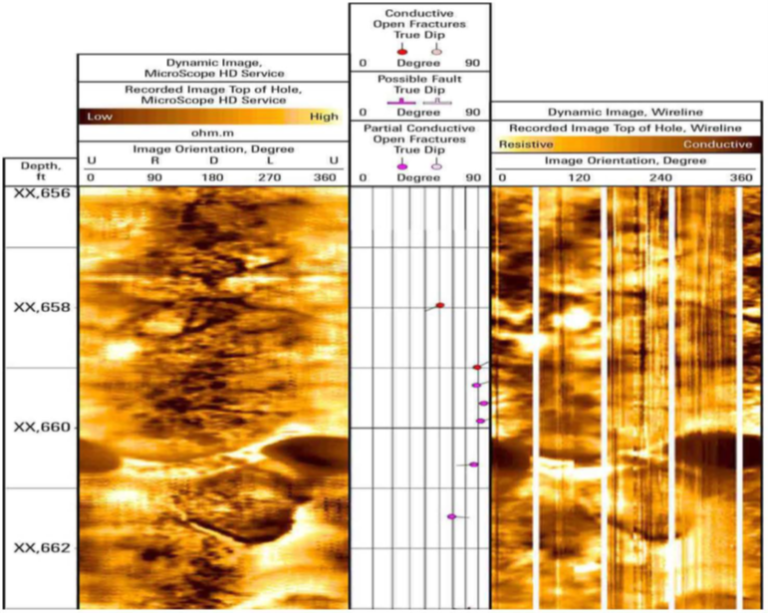
This case study focuses on developing a deep-learning–based framework for automated facies classification using borehole image data. The goal is to overcome key limitations of manual facies interpretation—such as subjectivity, inconsistency, high error rates, and time-intensive workflows—by delivering a solution that is accurate, scalable, and seamlessly integrable into existing oil and gas interpretation workflows.
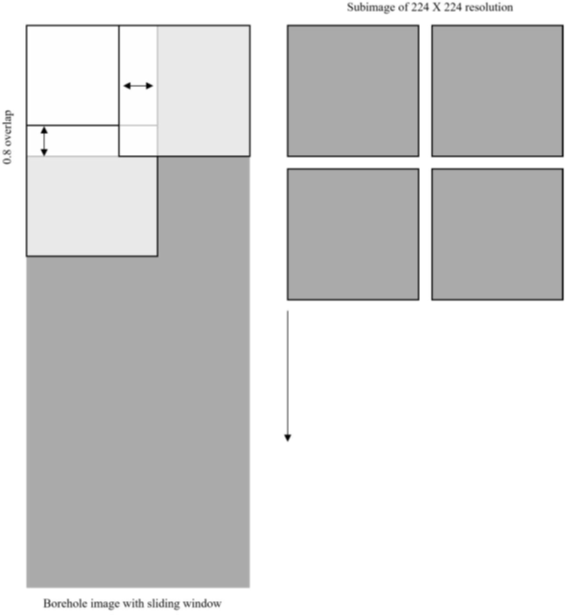
Data preparation is a critical step in developing reliable deep-learning models for borehole image interpretation. Effective data processing ensures that borehole images are transformed into high-quality, structured inputs suitable for model training, directly impacting classification accuracy and robustness.
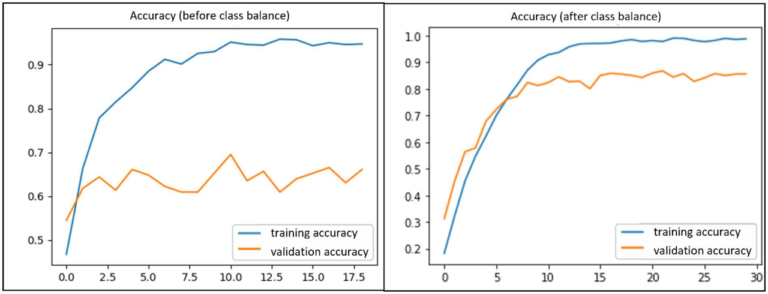
To enhance model robustness and address the challenges posed by limited and imbalanced labeled datasets, Synthetic Minority Over-sampling Technique (SMOTE) was used to correct class imbalance and strengthen representation of minority facies. The technique substantially improved model stability and overall classification performance across facies types.